Understanding the Importance of Regular Eye Exams
Regular eye exams are crucial for maintaining overall eye health and preventing vision problems. They allow eye care professionals to detect early signs of eye diseases, such as glaucoma or diabetic retinopathy, which can lead to severe complications if left untreated.
In addition to identifying potential health issues, eye exams can help determine the need for corrective lenses or updates to existing prescriptions. The American Optometric Association recommends that adults have a comprehensive eye exam every two years, or annually for those over 60 or with specific risk factors.
What to Expect During an Eye Exam
During an eye exam, patients can expect a series of tests designed to evaluate vision and eye health. These tests may include vision acuity tests, refraction assessments, and examinations of the retina and optic nerve using specialized equipment.
Eye care professionals will also discuss any symptoms or concerns the patient may have, allowing for a tailored approach to their eye care. Understanding these processes can alleviate anxiety and help patients prepare for their visit.
Common Eye Conditions Detected Through Exams
Eye exams can reveal a variety of common eye conditions, such as cataracts, macular degeneration, and dry eye syndrome. Early detection is key in managing these conditions effectively and preserving vision.
For instance, cataracts can develop slowly and might not present noticeable symptoms initially. However, regular exams can help identify their presence, allowing for timely intervention and treatment options, such as surgery when necessary.
How Diabetes Affects Eye Health
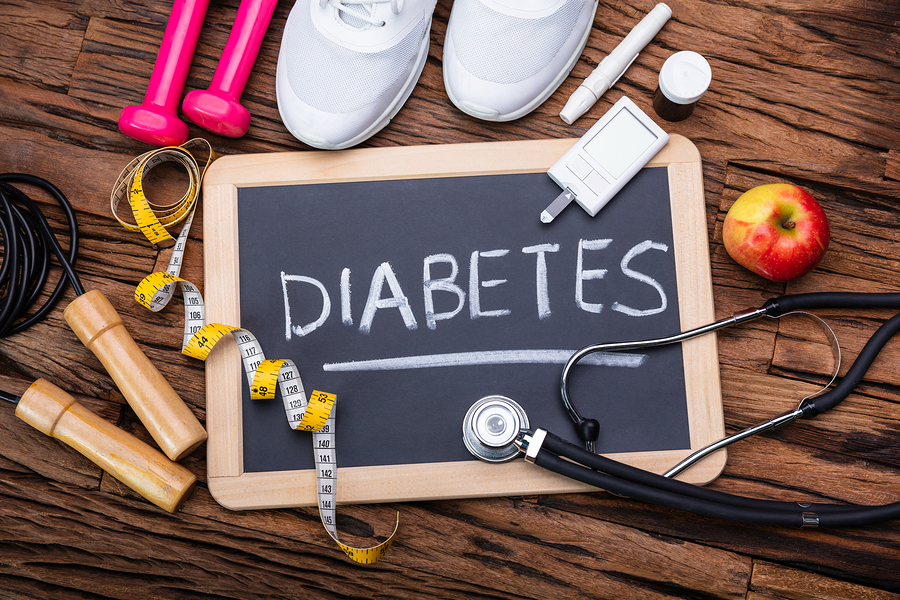
Diabetes can significantly impact eye health, leading to conditions like diabetic retinopathy, which is caused by damage to the blood vessels in the retina. Regular eye exams are essential for individuals with diabetes to monitor and manage these risks.
Studies indicate that people with diabetes should have annual eye exams to catch any changes early. Effective management of blood sugar levels, along with regular check-ups, can help reduce the risk of serious eye complications associated with diabetes.