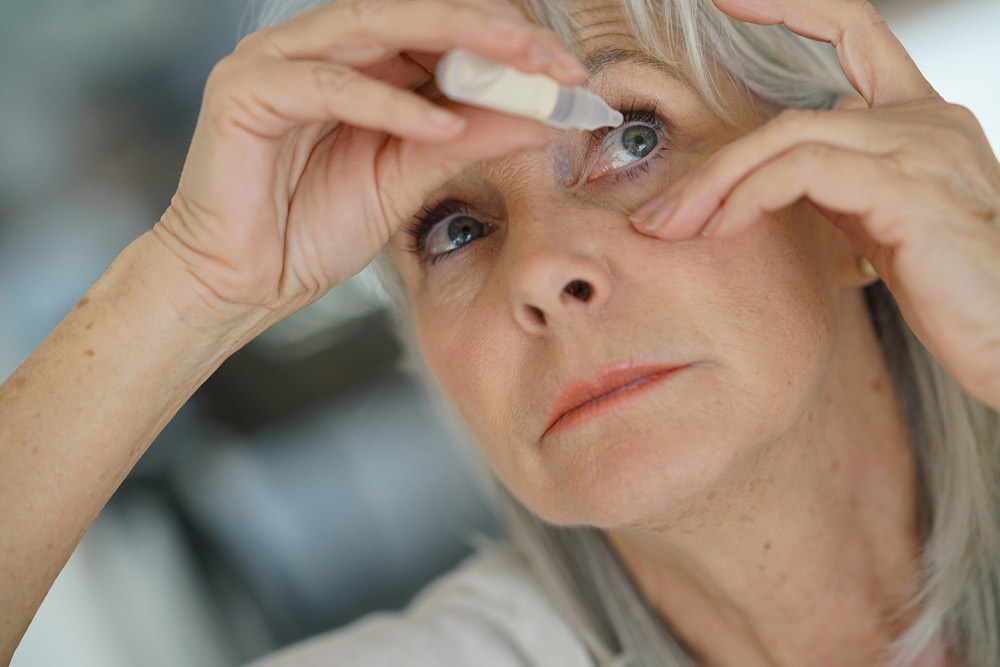
Understanding Dry Eyes: Causes and Symptoms
Dry eyes occur when the eyes do not produce enough tears or when the tears evaporate too quickly. This condition can lead to discomfort and may affect vision. Common symptoms include a burning sensation, itching, and a feeling of grittiness in the eyes.
Several factors can contribute to dry eyes, including prolonged screen time, environmental conditions, and certain medications. For instance, antihistamines and antidepressants are known to reduce tear production, exacerbating the symptoms of dry eyes in susceptible individuals.
Effective Treatment Options for Dry Eyes
Addressing dry eyes often requires a multi-faceted approach tailored to the individual’s specific needs. Treatment options can range from over-the-counter artificial tears to prescription medications that increase tear production.
In more severe cases, procedures such as punctal plugs may be recommended to reduce tear drainage or specialized treatments like LipiFlow, which targets meibomian gland dysfunction. Consulting with an eye care professional is vital to determine the most effective treatment plan.
Preventative Measures to Alleviate Dry Eyes
Preventing dry eyes involves adopting lifestyle changes that promote eye health. Regular breaks during screen time, using a humidifier, and staying hydrated can significantly reduce symptoms.
Additionally, wearing sunglasses outdoors can protect against wind and sun exposure, which can exacerbate dryness. Incorporating omega-3 fatty acids into your diet may also support tear production and overall eye health.
When to Seek Professional Help for Dry Eyes
If dry eye symptoms persist despite self-care measures, it’s essential to seek professional help. An eye care specialist can provide a comprehensive evaluation and recommend appropriate treatments.
Ignoring persistent dry eye symptoms can lead to complications such as eye infections or damage to the cornea. Early intervention is key to managing the condition effectively and maintaining optimal eye health.