479.442.5227
  • Facebook
  • X
  • Instagram
  • Facebook
  • X
  • Instagram
  • Online Bill Pay
  • Blog
  • Careers
  • ORDER CONTACTS
  • How to Refer
Henry Eye Clinic logo featuring a stylized eye design, emphasizing eye care services for macular degeneration and vision health.
  • Home
  • About Us
  • Our Doctors
    • Paul M. Henry, M.D.
    • Peter M. Daut, M.D.
    • Sarah M. Covey, M.D.
    • Jennifer E. Stafford, O.D.
    • Kaitlin N. Spikes, O.D., FAAO
  • Our Services
    • Amblyopia
    • Comprehensive Eye Care
    • Cataracts
    • Cataract Surgery
    • Dry Eyes
    • Glaucoma
    • Macular Degeneration
    • Pediatric and Adult Strabismus
    • Retinal Tears
    • Diabetic Eye Disease
  • Resources
    • Patient Information
    • Preparing for your Preoperative Appointment for Cataract Surgery
  • Contact Us
Select Page
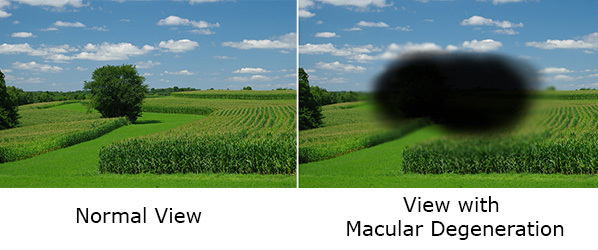
Comparison of normal vision and vision affected by macular degeneration, illustrating the impact of the condition on visual perception.

February Is Macular Degeneration Awareness Month

by Henry Eye Clinic | Feb 19, 2021 | Eye Health, Uncategorized

Macular Degeneration February is macular degeneration awareness month.  It is also a good time to bring awareness to this ocular disease and the importance of yearly eye exams. Macular degeneration (MD) is often identified as age-related (AMD), but age is relative...

Recent Posts

  • Healthy Vision Month
  • February Is Macular Degeneration Awareness Month
  • COVID-19: The Topic on Everyone’s Mind
  • Online Contact Lens Ordering
  • Low Vision Awareness – How aware are you?

Archives

  • May 2021
  • February 2021
  • June 2020
  • April 2020
  • March 2020
  • January 2020
  • October 2019
  • September 2019
  • August 2019
  • May 2019
  • March 2019

Categories

  • Awards & Recognition
  • Contacts & Glasses
  • Dry Eyes
  • Eye Allergies
  • Eye Exams
  • Eye Health
  • Low Vision
  • Uncategorized
  • Facebook
  • X
  • Instagram

Henry Eye Clinic | 741 E Van Asche, Fayetteville, AR 72703| 479.442.5227
Copyright © 2026 All Rights Reserved. Henry Eye Clinic  |  Website Designed & Maintained by The Belford Group
Hosted by GCM Computers

Understanding Macular Degeneration

Macular degeneration is a leading cause of vision loss among older adults, affecting the central part of the retina known as the macula. This condition can significantly impact daily activities, making it crucial for individuals to understand its symptoms and risk factors.

There are two main types of macular degeneration: dry and wet. Dry macular degeneration is more common and progresses slowly, while wet macular degeneration can lead to rapid vision loss. Regular eye exams and awareness of early symptoms, such as blurred vision or difficulty recognizing faces, are essential for timely intervention.

Importance of Regular Eye Exams

Regular eye exams play a crucial role in early detection and management of macular degeneration. These exams allow eye care professionals to monitor changes in vision and retinal health, providing a proactive approach to eye care.

Risk Factors for Macular Degeneration

Several risk factors can increase the likelihood of developing macular degeneration, including age, genetics, and lifestyle choices. Understanding these factors can help individuals take preventive measures to maintain their eye health.

For instance, a family history of macular degeneration significantly raises one's risk. Additionally, lifestyle factors such as smoking, poor diet, and lack of physical activity can contribute to the development of this condition. Making healthier lifestyle choices, such as a balanced diet rich in antioxidants and regular exercise, can help mitigate these risks.

Resources for Macular Degeneration Awareness

There are numerous resources available for individuals seeking more information about macular degeneration and eye health. Organizations dedicated to eye care provide educational materials, support groups, and access to the latest research on treatment options.

Websites like the American Academy of Ophthalmology and the Macular Society offer valuable insights into managing macular degeneration. Additionally, local support groups can connect individuals with others facing similar challenges, fostering a sense of community and shared knowledge.