Understanding Eye Allergies: Causes and Treatments
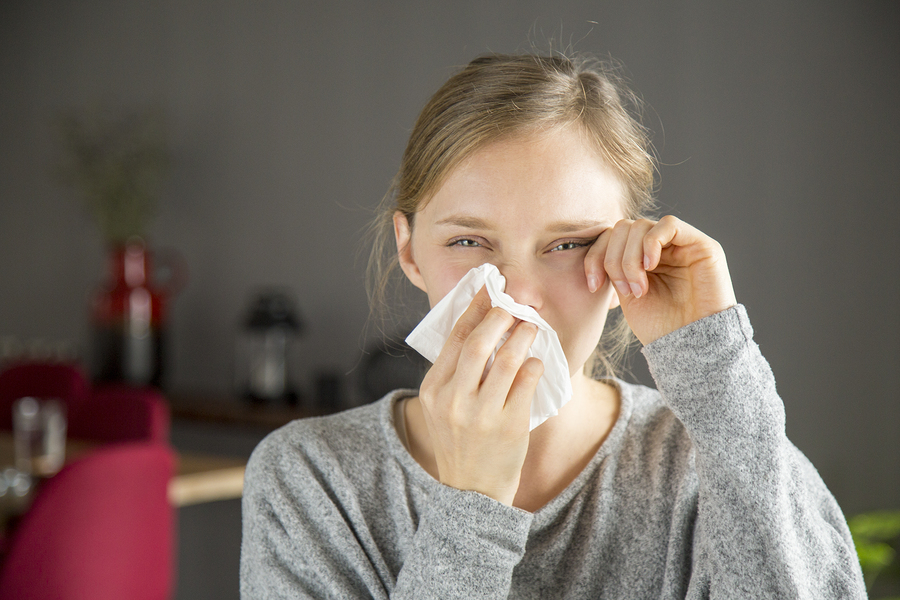
Eye allergies, also known as allergic conjunctivitis, occur when the eyes react to allergens such as pollen, dust mites, or pet dander. Symptoms often include itching, redness, and watering of the eyes, which can significantly impact daily activities and overall quality of life.
There are various types of eye allergies, each triggered by different allergens. For instance, seasonal allergies are commonly linked to pollen from trees, grasses, and weeds, while perennial allergies may be caused by indoor allergens. Understanding the specific triggers can help in managing symptoms effectively and seeking appropriate treatment.
How to Manage Eye Allergy Symptoms
Managing eye allergy symptoms involves a combination of avoiding allergens and using appropriate treatments. Over-the-counter antihistamines and eye drops can provide relief from itching and redness, while cold compresses may soothe irritation. It's essential to consult with a healthcare professional for personalized advice and treatment options.
In addition to medication, implementing lifestyle changes can also help reduce exposure to allergens. Keeping windows closed during high pollen seasons, using air purifiers, and regularly cleaning living spaces can minimize symptoms and improve overall eye health.
When to Seek Professional Help
If eye allergy symptoms persist despite over-the-counter treatments, it may be time to consult an eye care professional. Persistent symptoms could indicate a more serious condition or the need for prescription medications, such as stronger antihistamines or corticosteroid eye drops.
Moreover, an eye care professional can conduct tests to identify specific allergens and recommend an appropriate treatment plan, which may include allergy shots (immunotherapy) for long-term relief. Early intervention is key to preventing complications and ensuring optimal eye health.
Preventive Measures for Eye Allergies
Preventing eye allergies begins with understanding and avoiding known allergens. Simple measures, such as wearing sunglasses outdoors to shield the eyes from pollen and other irritants, can significantly reduce the risk of allergic reactions.
Additionally, practicing good hygiene, such as washing hands frequently and avoiding touching the face, can help minimize the transfer of allergens to the eyes. Keeping track of pollen counts and planning outdoor activities accordingly can also play a crucial role in prevention.